NJAC NEWSLETTER VOL. 5 DEC 2015

Welcome
New Jersey Nurses At Work
Here is our end of the year New Jersey Action Coalition Newsletter. The Coalition is part the Future of Nursing: Campaign for Action, a nationwide movement to improve health and health care through nursing. An initiaive of AARP and the Robert Wood Johnson Foundation, the Campaign includes Action Coalitions in 50 states and the District of Columbia working to implement the Institute of Medicine’s Future of Nursing recommendations.
Send this newsletter to your friends and tell them to sign up to receive important nursing news. Watch “A Time for Action” to learn more. We’ll see you in 2016!
Regards,
Edna Cadmus David Knowlton Mary Wachter
NJAC Co-Chairs
In This Issue
- Building A Culture of Health in Innovation
- Maria Lanzi, MS, MPH, ANP-BC, COHN-S: An Unsinkable Molly Brown
- NJAC seeks support of Multicultural Nurse Leaders
- Call To Action: 10,000 Nurses on Boards
- What We’ve Learned: An IOM Future of Nursing Report Awareness Update in New Jersey
- St. Joseph’s Regional Medical System hits 80% BSN Goal!
Building A Culture of Health in Innovation
 Mary Jo Loughlin, RN, MAS, NE-BC, Administrative Director of Patient Care Services at Hunterdon Health Care was one of more than 100 attendees at the October 29 NJHA Building A Culture of Health in Innovation. The summit emphasized the important role nurses across all settings can and do play in transforming health in their communities. “It was really exciting to reach out and make connections with nurses across all settings in my community,” said Loughlin. “It gave me the opportunity to look at what others are doing and to think about how those connections can make a difference in my own organization to improve transitions in care.” Attendees had the unique opportunity to participate in interactive sessions conducted by health care leaders and focused on how nurses can act on the local level to meet health care challenges in their communities and across the state. “It definitely energized me to look at problems differently, to formulate more questions and look for innovative solutions.”
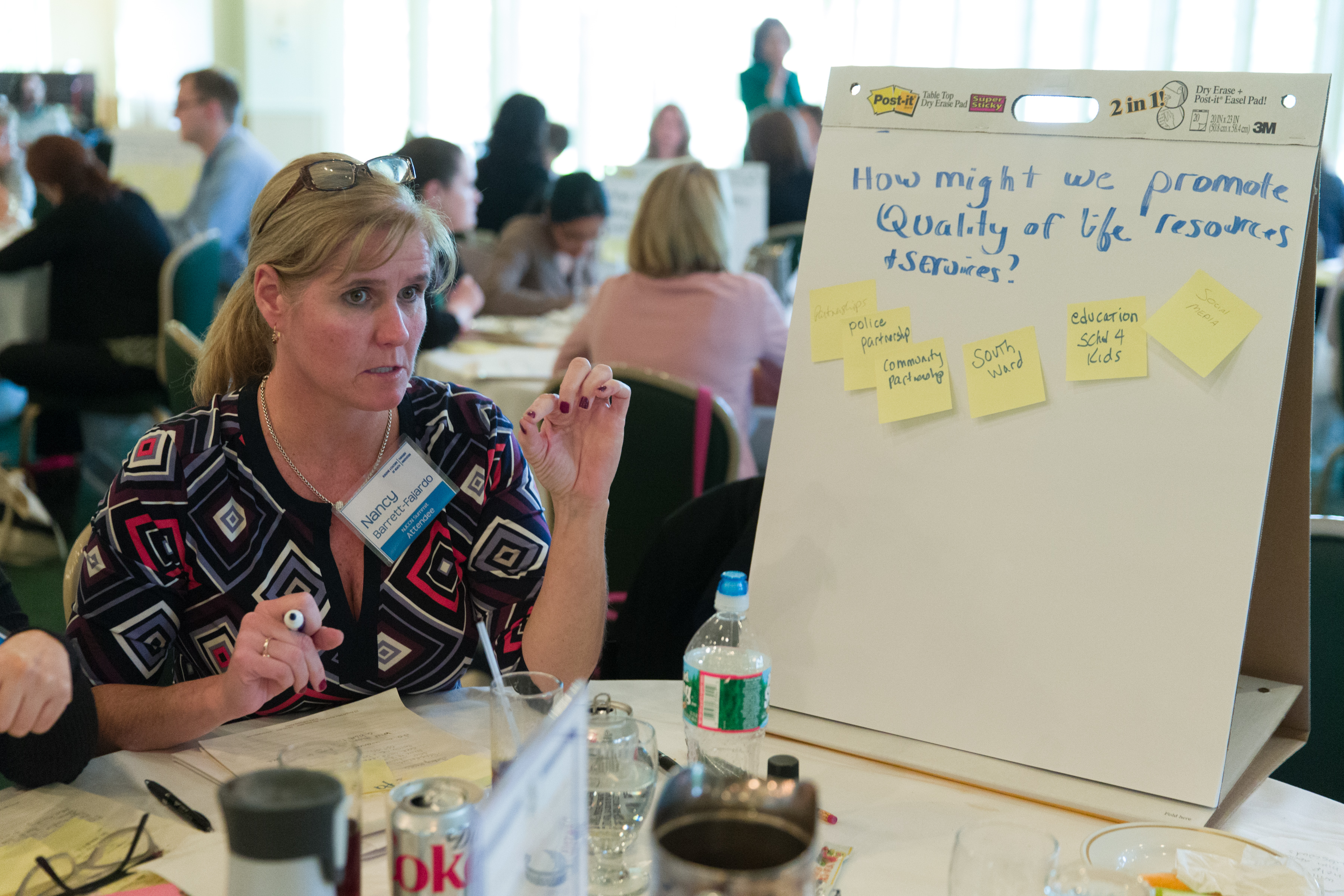
Long Term Nurses take up challenge
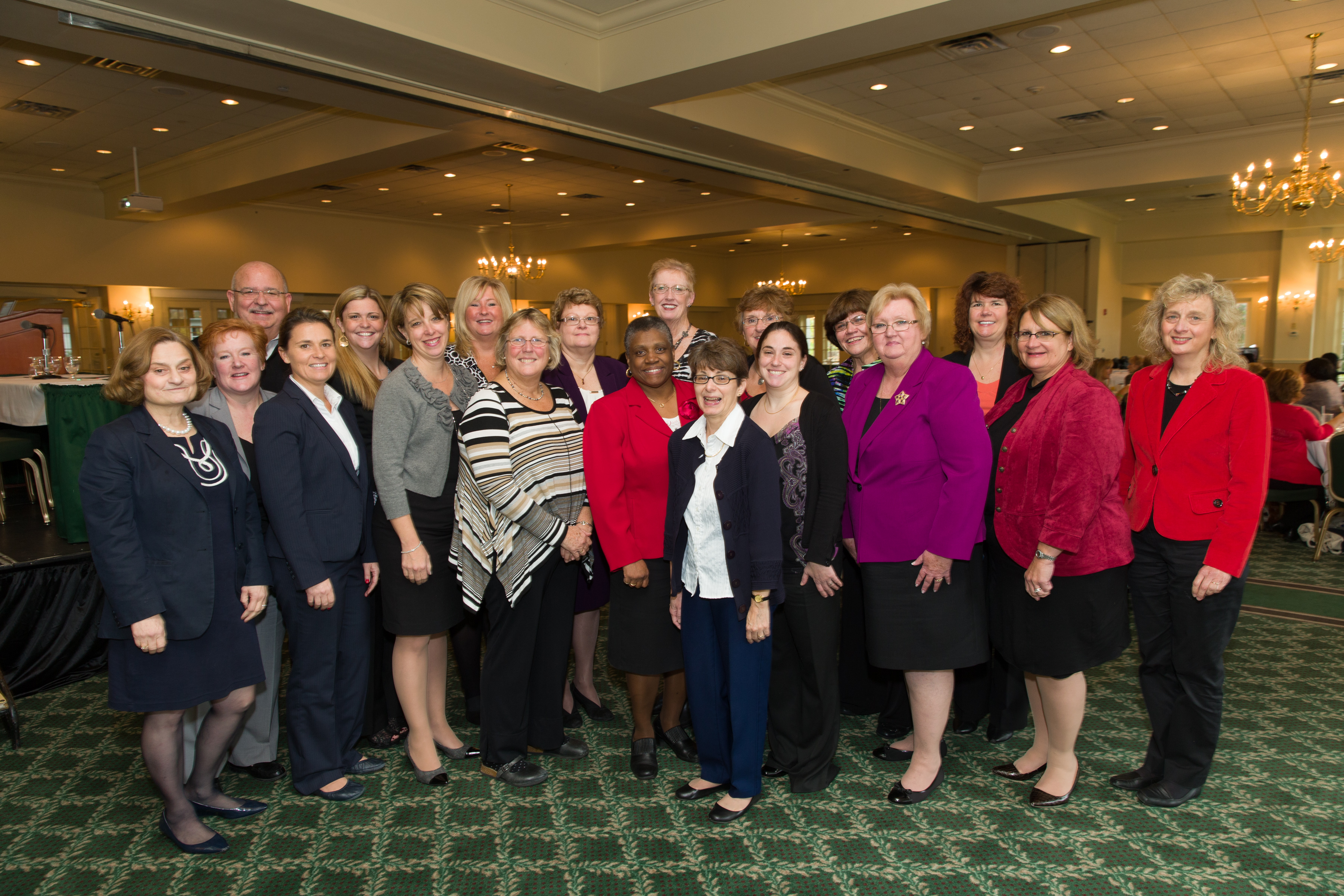
Faculty learn about a culture of health
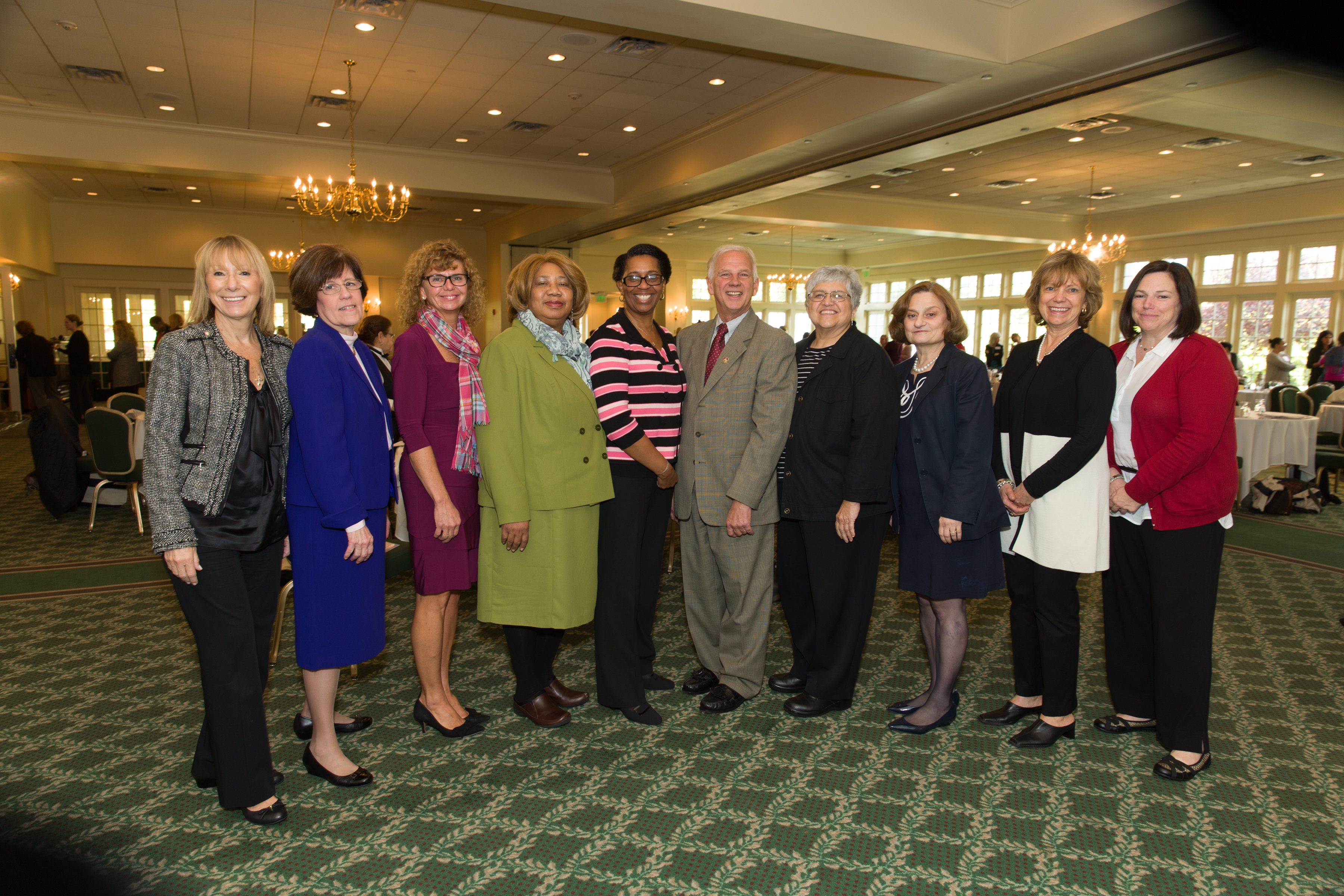
NJCCN Board attend
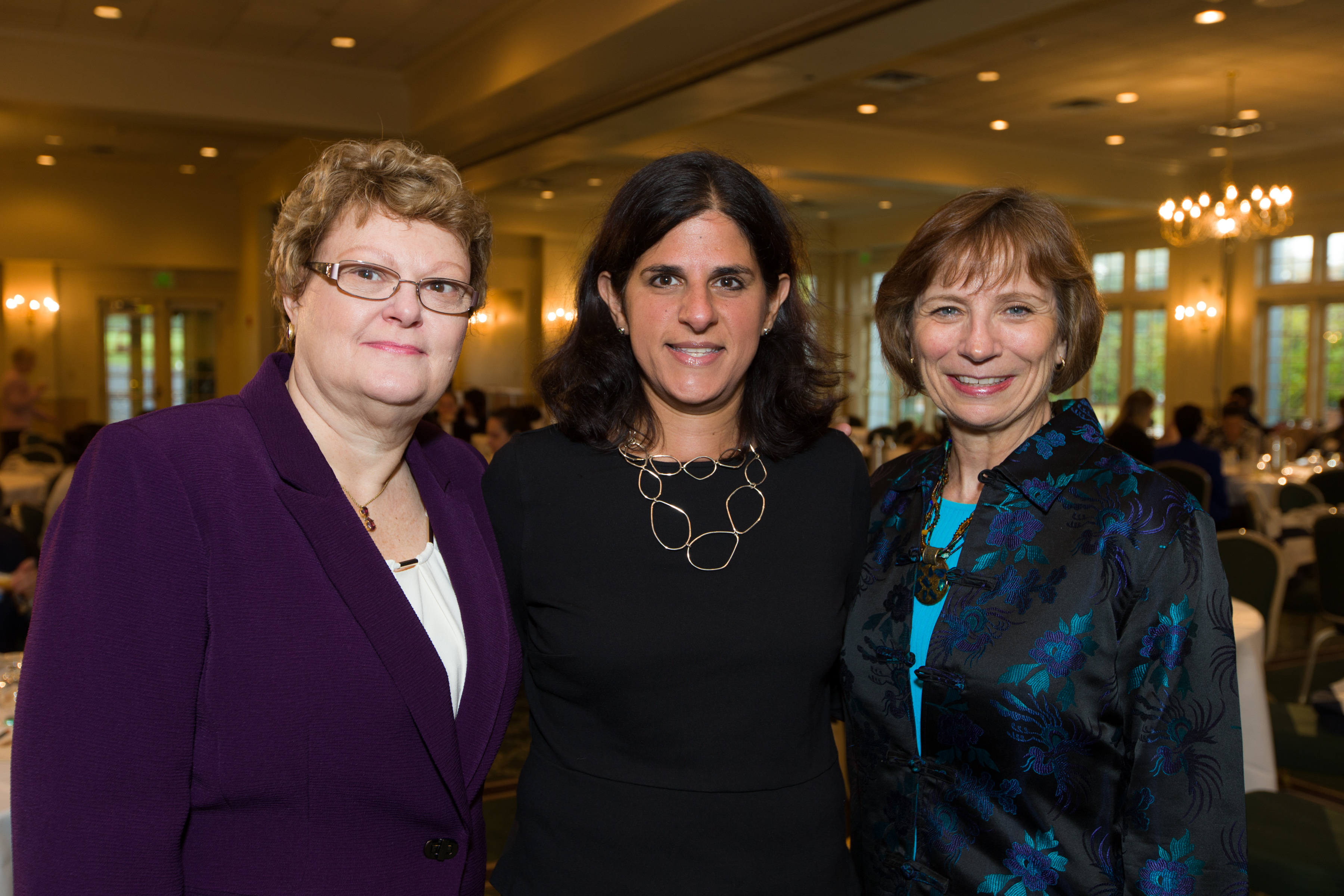
Edna Cadmus, Maria Lo Grippo and Susan Hassmiller
Maria Lanzi, MS, MPH, ANP-BC, COHN-S
An Unsinkable Molly Brown
“That men do not learn very much from the lessons of history is the most important of all the lessons of history.”
 This quote, attributed to English writer and philosopher, Aldous Huxley, could just as easily been credited to Maria Lanzi, MS, MPH, ANP-BC, COHN-S. As a longtime Adult Nurse Practitioner and dedicated advocate of adult immunization, Lanzi recites with ease the role vaccines have played in stopping epidemics as far back as the 1700s. And yet, she says, even with that knowledge, we continue to be challenged ensuring the prevention of vaccine-preventable diseases.
As a young nurse working in New York City, Lanzi found herself providing care for adults; she was enamored by their life stories, their urban lifestyles and diverse cultures. But as a clinician, she was also struck by the number of adults under her care with an infectious disease that she knew could have been prevented by a vaccine. Over the years, the need for adult immunization continued to present itself to Lanzi and became the framework of her lifelong career as an expert and advocate for adult immunization.
Today, vaccine-preventable disease remains a major issue. An estimated 99% of all vaccine-preventable deaths in the U.S. occur in the adult population and remains a leading cause of death in older adults. Lanzi has made it her mission to change that fact. She received her BSN from New York University and completed her MSN and Master of Public Health from Columbia University. As an educator, presenter and preceptor for physicians and other nurse practitioners, Lanzi is a well-respected consultant and expert in the epidemiology of emerging and infectious diseases as it relates to occupational and global health, public health preparedness and adult immunity. Working in conjunction with the New Jersey Immunization Network, a statewide coalition in New Jersey focused on improving public health and preventing disease through immunizations, and as a member of the National Adult and Influenza Immunization Summit, Lanzi strives to have 90% of all healthcare workers receive annual influenza immunizations by 2020. Her work as an Advisory Board member of the American College of Physicians includes the “I Raise the Rates” immunization quality improvement initiative.
“We do a great job at immunizing kids in the U.S,” says Lanzi, but many older adults are not aware that vaccines are for them as well.” Lanzi continues, “Vaccines are an emotional issue for a lot of people but it is important that we continue to educate individuals and policymakers that vaccination, along with hand washing, is the number one risk-reduction plan for communicable disease.” To Lanzi increasing the public’s understanding is no small feat and one, she says, that requires a change of culture.
Lanzi believes that Nurse Practitioners can be the leaders in making that change by raising awareness of the role vaccines play in reducing risk. “It’s important for nurses to continue to seek knowledge and understanding and to share that knowledge with their colleagues and their patients.” Equally important, she smiles, “is to learn from our past”.
As a nurse leader, Lanzi is well aware of the importance of allowing nurse practitioners to practice to the full extent of their education and agrees fully with the recommendations of the IOM Report. She shared some lessons learned throughout her personal journey as an Adult Nurse Practitioner:
Be willing to pull back and take a different perspective when needed.
Own your profession. Stay current in your area of expertise and take advantage of internal and external learning opportunities.
The path needs to include real-life nursing experience and clinical care in addition to high caliber education.
Seek out opportunities and be willing to take career risks. Be a leader.
Challenge yourself and be willing to say I don’t know – teach me.
Be a team player. Everyone benefits.
Remember at the end of the day – it’s about the patient.
Adult Immunization Summit, Nov 2015
On November 4th the New Jersey Adult Immunization Summit, an invitation only event, will bring together leaders in health care, business, government, academia and medical research to discuss how increasing adult immunization rates can improve public health in New Jersey. The summit will feature nationally-recognized presenters in the field of vaccine-preventable disease, health economics, and health disparities. For more information, click HERE.
The Adult Immunization Summit will also launch the American College of Physicians’ groundbreaking I Raise the Rates initiative in New Jersey. I Raise the Rates is a quality improvement initiative to improve public health by encouraging appropriate immunization of adults by clinical providers.
1. Institute of Medicine. Calling the Shots: Immunization Finance Policies and Practices. Washington, D.C.: National Academy Press; 2000.
NJAC seeks support of Multicultural Nurse Leaders
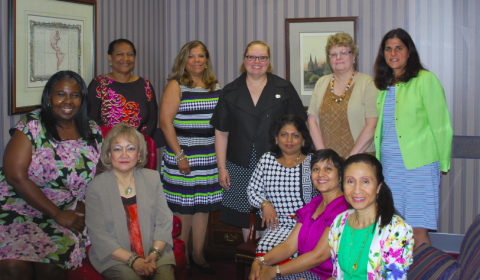
Pictured in the photo from left to right, standing: Portia Johnson, Gina Miranda-Diaz, Alana Cueto, Edna Cadmus, Maria LoGrippo. Sitting in front row from left to right, Norma Rodgers, Rosemarie Rosales, Varsha Singh, Munira Wells and Rhonda Garrett.
In June 2015, members of the Academic Pillar of the New Jersey Action Coalition (NJAC) met with nurse leaders from a number of key multicultural nursing organizations across New Jersey. NJAC seeks to prepare the nursing workforce for the future by strengthening education and training with the aim of a more highly educated nursing workforce to lead system improvements and improve quality, accountability, and coordination of care. Earlier this year, NJAC announced that they have received a second round of funding for the State Implementation Program Grant (SIP) grant to support the work of increasing the percentage of baccalaureate nurses to 80% by 2020 through seamless academic progression. The goal for this round of funding is to have three seamless models for academic progression implemented by Fall 2016.
Nurses across academic and practice settings have worked to make curricular changes and create models that will provide access to education that is affordable and timely. These models will support a more seamless transition for students through diploma, associate and baccalaureate programs. An additional consideration for the work of this grant funded project is to attract a more diversified student population. “This is a great opportunity to bring together the leaders of key multicultural nursing organizations in NJ, promote the work of the NJAC as well as gain critical insight for best practices for ensuring students’ success” stated Maria Torchia LoGrippo, the Project Director for the pilot.
The meeting took place at the New Jersey Hospital Association in a critical point for this phase of the project. This phase not only involves implementing models for seamless academic progression but also to promote the role of a nurse navigator and a software application for mobile devices that will provide information on nursing education for prospective students all over the state. For the project team, perspectives of multicultural leaders for these endeavors added value to moving these projects forward. One example was the emphasis by the group on incorporating mentoring to support diverse students through all aspects of the educational process. “Mentors, co-ethnic or otherwise, are an invaluable asset especially to minority nurses, who typically could use the guidance but are often unable to access it,” stated Munira Wells, PhD, RN and member of the National Association of Indian Nurses of America (NAINA). The multicultural leaders were able to bring back to their organizations the work on academic progression as well as help to identify mentors in their organizations that can help to support students. It was clear that this event provided an opportunity for these leaders to share information, build relationships and networks across these multicultural organizations as well as help to inform and guide NJAC members for future work.
A Call To Action: 10,000 Nurses on Boards
New, Easy to Use Online Form
Nursing org anizations across the country have launched an unprecedented effort in line with IOM Future of Nursing recommendations, to increase the presence of nurses on corporate and non-profit health-related boards of directors and implemented a national strategy to put 10,000 nurses on boards by the year 2020.
If you have an interest in expanding your leadership role by participating on any type of governing board, community/civic board, school board, etc., please fill our our new online form and upload your resume. We will keep your information on file as we learn of new opportunities. Thank you!
What We’ve Learned
An IOM Future of Nursing Report Awareness Update in New Jersey
As we approach the 5-year anniversary of the Institute of Medicine’s (IOM), Future of Nursing: Leading Change Advancing Health report and the establishment of the New Jersey Action Coalition (NJAC), we wanted to examine the knowledge and awareness around the IOM recommendations by nurses in New Jersey. To find out, NJAC conducted a survey of NJ nurses from December 2014 through January 2015. A total of 312 surveys were completed and submitted from nurses around the state – here is a sneak peek of what we found:
Respondent Demographics (rounded)
The average participant for this survey was primarily female, white, with the majority aged 51 or greater. Seventy-seven percent have a BSN or higher in nursing, and 74% have 15 years or more of experience in the field. 77% of respondents identified hospitals as their primary workplace. 41% were employed as clinical nurses/staff nurses, followed by 15% nurse managers and 13.4% nurse educators.
Familiarity with IOM Recommendations and Work of NJAC
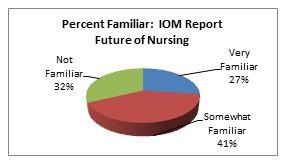
Figure 1. Percent Familiar with IOM Report
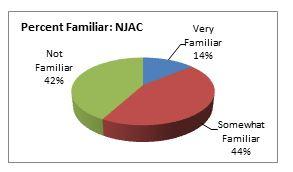
Figure 2. Percent Familiar with the NJAC Work
Nurses Knowledge Level
While 50-60% of the respondents had knowledge of the IOM and NJAC, knowledge differed depending on the recommendation. Respondents were most knowledgeable about the IOM Recommendation to “prepare and enable nurses to lead change to advance health. Respondents were less knowledgeable about the IOM Recommendation “to double the number of nurses with a doctorate by 2002”.
In terms of their knowledge around the work of the New Jersey Action Coalition, respondents were most familiar with the Coalition’s work to highlight the importance of the nurse’s scope of practice. They were least knowledgeable of NJAC’s work in communicating the recommendation to double the number of nurses with doctorates by 2020.
What Does It Mean?
The results of this survey provide the NJAC with data to tailor educational programs for nurses in many roles and across settings in order to increase IOM Recommendation awareness and engagement. Additionally, the NJAC communication team will be targeting those regions where participation was minimal as well as diverse groups, both by age and minority nursing organizations to ensure that the IOM Report Recommendations and work of the NJAC are disseminated.
What Can You Do?
Stay informed by visiting our website at https://njccn.org or https://campaignforaction.org and select NJ.
Subscribe to our newsletter by signing up at .
Learn more about board leadership opportunities by submiting your resume to NJAC for participation on a governing board
Be engaged and spread the word to others.
Look for full survey findings coming soon in Nurse.com.
Research Provided By:
Ruth Harrell, MS, BSN, RN Nurse Manager, High Risk OB/GYN & Relationship Based Care, Saint Joseph’s Healthcare System
Maria Brennan, DNP, RN, CPHQ, Vice President, Patient Care Services/CNO, Saint Joseph’s Healthcare System
Patricia Steingall, MS, RN, NE-BC Chief Nursing Officer VP Patient Care Services Hunterdon Healthcare System
Edna Cadmus PhD, RN, NEA-BC, FAAN, Executive Director, NJCCN and Clincal Professor, Specialty Director, Leadership, Rutgers University, School of Nursing
St. Joseph’s Regional Medical System hits 80% BSN Goal!
Making the Goal!
St. Joseph’s Regional Medical System recently announced that it has obtained the goal of an 80% BSN workforce. “It’s a great accomplishment,” stated Maria Brennan, former Chief Nursing Officer at St. Joe’s, “and one of which St. Joe’s should be really proud.” When considering hospitals for magnet status, the proportion of BSN nurses is one of the factors considered. And while St. Joe’s is a magnet hospital, Dr. Brennan feels it is more about providing quality patient care. Patient outcomes is directly related to the educational preparation of nurses. Studies have shown that every 10 percent increase in the proportion of BSN nurses in a hospital’s staff is associated with a 4 percent decrease in risk of death (National Advisory Council on Nurse Education and Practice, 2010). One of the key recommendations from the IOM report was to achieve an 80% BSN rate by 2020. Congratulations St. Joe’s on achieving a major milestone!
Let us know if your organization has reached an IOM goal – we want to share the good news!
Got a story you’d like to share! Please send to .
….Because you can’t do it without nurses!
Copyright © ** *|New Jersey Action Coalition|* All rights reserved.
Our mailing address is:
760 Alexander Rd. Princeton, NJ 08540
www.njactioncoalition.com
OUR PARTNERS
Robert Wood Johnson Foundation (RWJF)
AARP New Jersey
New Jersey Chamber of Commerce Foundation
The Horizon Foundation for New Jersey
Magnet Hospital Consortium
New Jersey Collaborating Center for Nursing (NJCCN)
New Jersey Hospital Association (NJHA)
New Jersey League for Nursing (NJLN)
New Jersey Nursing Initiative (NJNI)
New Jersey State Nurses Association (NJSNA)
Nurse.com
Organization of Nurse Executives of New Jersey (ONE/NJ).